


When and Why to use Fluorocarbon

Choosing the right fishing line can make a huge difference in how many bites you get and how many fish you land. Among the most popular options today is fluorocarbon fishing line—a favorite for many bass anglers. But when should you use it, and why does it matter? Let’s break it down.
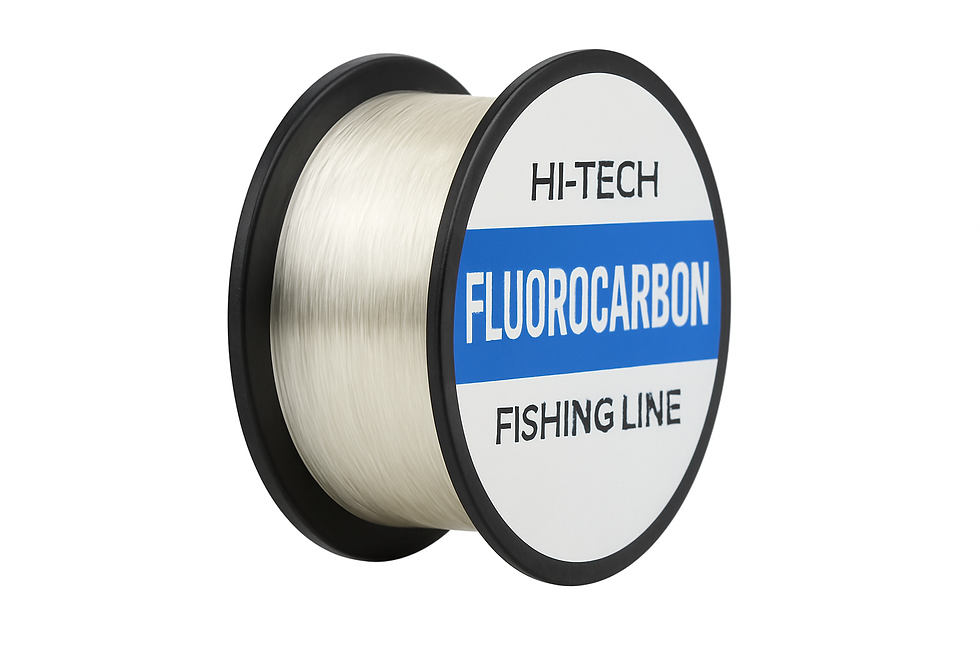
What Is Fluorocarbon Fishing Line?
Fluorocarbon line is made from polyvinylidene fluoride (PVDF), a material that behaves very differently in water compared to monofilament or braid. Its unique properties give anglers advantages in certain situations, especially when targeting pressured fish or fishing specific techniques.
Why Use Fluorocarbon?
1. Low Visibility Underwater
Fluorocarbon’s refractive index is close to that of water, making it much harder for fish to see. This is a major advantage in clear water, high-pressure lakes, or when bass are line-shy.
2. Sensitivity
Fluorocarbon stretches less than monofilament, allowing you to feel light bites, bottom composition, and subtle changes in your lure’s action. This added sensitivity is critical for bottom-contact techniques.
3. Abrasion Resistance
Compared to mono, fluorocarbon holds up better around rocks, docks, brush, and timber. This makes it a solid choice when fishing structure-heavy lakes.
4. Sinks Naturally
Unlike monofilament, fluorocarbon sinks, which helps keep lures down in the strike zone longer. This is especially helpful for deep-water and bottom presentations.
When to Use Fluorocarbon
Bottom-Contact Techniques
Fluorocarbon shines when fishing lures that stay close to the bottom, including:
Texas rigs
Jigs
Carolina rigs
Football heads
Drop shots
The sensitivity and low visibility make it easier to detect bites and maintain contact with the bottom.
Clear Water Conditions
In clear lakes or calm conditions, fluorocarbon gives you a stealth advantage. Bass are less likely to be spooked, resulting in more confident bites.
Crankbaits and Moving Lures (Selective Use)
Fluorocarbon works well for:
Deep-diving crankbaits
Lipless crankbaits
Swimbaits
Its sinking nature helps crankbaits dive deeper, and the slight stretch still provides enough forgiveness to keep fish pinned.
When NOT to Use Fluorocarbon
Fluorocarbon isn’t perfect for every situation.
Topwater fishing: Because it sinks, fluorocarbon can pull topwater lures under and kill the action.
Heavy vegetation: Braided line is usually a better option for cutting through grass.
Cold weather issues: Fluorocarbon can become stiff in cold temperatures, especially lower-quality lines.

Fluorocarbon vs. Mono vs. Braid (Quick Comparison)
Fluorocarbon: Low visibility, sinks, high sensitivity
Monofilament: Floats, forgiving stretch, great for topwater
Braid: Maximum strength and sensitivity, best for heavy cover
Many anglers use braid to fluorocarbon leaders to combine the strengths of both lines.
Final Thoughts
Fluorocarbon fishing line is an excellent choice when you need stealth, sensitivity, and abrasion resistance, especially for bottom-contact techniques and clear-water fishing. While it’s not the best line for every situation, understanding when and why to use it can help you fish more effectively—and catch more bass.
At Bassin’ and Birdies, we believe the right equipment leads to better days on the water. Choosing the correct line is a small decision that can make a big difference.


Comments